
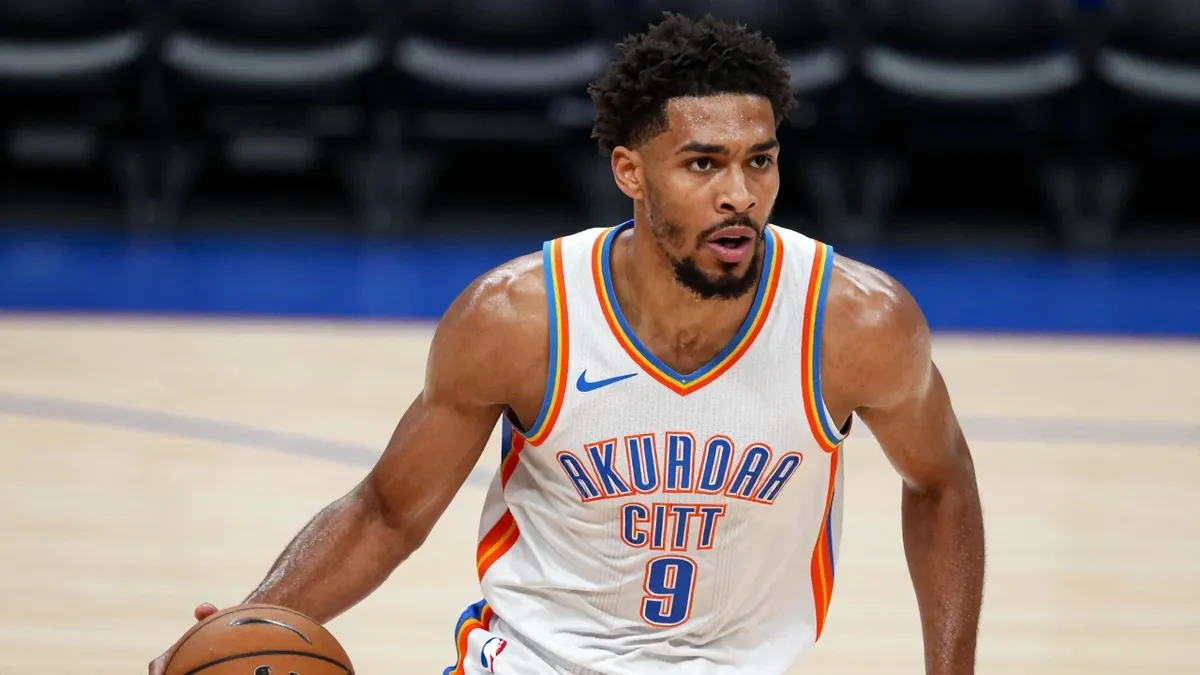
The Oklahoma City Thunder's 2025-26 season ended in a 103-111 Game 7 loss to the San Antonio Spurs on May 31, 2026, dashing their repeat championship hopes.
What happened in the offseason?
The Thunder's impressive depth took a major hit this summer. In an effort to avoid the punitive second apron of the NBA's luxury tax, the front office traded away key rotation players Isaiah Joe, Aaron Wiggins, and Luguentz Dort. These moves strip the roster of valuable three-point shooting and perimeter defense that were staples of their system.
Losing that production creates immediate questions about the team's ability to sustain its high-octane style. Joe and Wiggins provided important spacing off the bench, while Dort was the primary defensive stopper against elite opposing wings. Their departures leave noticeable gaps on both ends of the floor that must be addressed before the new season tips off. You can track the updated roster on our roster page.
Why do these changes matter?
This strategic retreat from the second apron signals a shift in philosophy. The Thunder are prioritizing long-term financial flexibility over short-term roster continuity. It's a calculated risk, betting that their core of young stars can carry a heavier load while cheaper, younger players step into bigger roles.
The immediate basketball impact is clear. The team's bench scoring and defensive versatility have taken a step back. Opponents will likely test the Thunder's new-look second unit early and often. How quickly Coach Mark Daigneault can integrate new pieces and develop internal replacements will define their early season.
What is the early outlook for 2026-27?
The primary goal remains reclaiming the Western Conference crown from the rival Spurs and reaching their second NBA Finals in three seasons. Achieving that now looks tougher. The conference is stacked, and the Thunder have voluntarily reduced their margin for error.
Success will hinge on internal development. Players already on the roster will need to expand their games to cover the lost production. Increased minutes for younger prospects and potential contributions from minimum-salary signings become essential. The team's offensive efficiency and defensive rating from last season set a high bar that this new group must strive to meet.
What comes next for the Thunder?
Training camp and the preseason will be vital for establishing new rotations and building chemistry. The front office may not be done, either. They could still be active in the trade market or scanning the waiver wire for veteran help to bolster the bench.
The schedule starts soon, and every game will be a test of this reshaped roster's mettle. Fans can follow the team's progress and check upcoming matchups on our schedule page. The Thunder have the star power to compete, but their depth is now a question mark that will need answering on the court.